by Arun Kumar Sharma
January 19, 2026
Most readers would scroll past a headline claiming a truck driver pulls in ₹2.9 crore a month, assuming it’s yet another exaggerated internet story. But meeting Balbir Singh, a 48-year-old transporter from Haryana, shifts that instinct entirely. His journey is not made of miracles—it’s built on method, restraint, and an unusual ability to see opportunity where others see routine.
We met Balbir at a modest dhaba on the outskirts of Karnal. Chai arrived at the table, and soon the conversation flowed into something more substantial than a typical interview: it became a meticulous walkthrough of how a life can transform when discipline quietly compounds over decades.
“I never imagined my accounts would look like this.”
Q: Balbir ji, people are stunned by the figure—₹2.9 crore per month. Is it accurate?
Balbir: Not in the sense people assume. I’m not earning that from driving. What I’ve built is a long-term engine for income. I’ve been saving consistently for 25 years, investing every surplus rupee, and setting up two reliable earning channels. Today, the returns on my assets are what surprise people.
Balbir describes his early years behind the wheel—crisscrossing Delhi, Punjab, Rajasthan, hauling goods for factories that barely covered fuel and overhead. He lived out of his truck, cooked his own meals, and cut costs wherever possible.
Balbir: My rule was simple—save first, spend what’s left. Even when my salary was just ₹15,000, I’d put away ₹3,000. Slowly, I learned about FDs, then mutual funds, and eventually real estate
A Turning Point No One Saw Coming
Q: What gave your journey that big push upward?
Balbir: My uncle. He was in the transport business in Chandigarh. We weren’t extremely close, but he appreciated my discipline. Before he passed away, he left me a portion of his business—two trucks and a small warehouse. That changed everything.
Instead of cashing out, Balbir expanded. He hired drivers, maintained the inherited trucks meticulously, and reinvested every profit into securing better routes and clients.
Balbir: A truck is like a family member—it needs care. Service it on time, and it will serve you without complaint.
He gestures to one of his gleaming vehicles parked outside. He mentions a trusted repair service in New Delhi that keeps his fleet running efficiently and cost-effectively.
The Quiet Power of Saving and Compounding
Q: Many people earn reasonably well but fail to save. How did you do it?
Balbir: Saving is not about income. It’s about attitude. Even when I had loans to repay, I saved something. When I inherited the trucks, I didn’t change my lifestyle. I kept the same phone, same food habits, same routine. I focused on growing money, not spending it.
A younger colleague once introduced him to SIPs. Balbir started small—₹2,000 a month—but gradually increased the amount as his operations stabilized. Today, he says his investment portfolio alone generates over ₹1.2 crore annually.
His Second Legal Income Stream: Logistics Strategy
Q: You mentioned two sources of income. What’s the other one?
Balbir: I know the highways like the back of my hand—fuel patterns, tolls, waiting times. A few companies started asking for route planning advice. Eventually, it became consulting work.
His clients—mostly emerging logistics firms—pay him a monthly retainer for route optimization and operational guidance. Sometimes it’s cash; sometimes direct bank transfers.
Balbir: They reduce fuel and time costs. I earn without stepping out. It’s straightforward work. I also train new drivers on safety, documentation, and maintenance.
He takes pride in offering practical advice grounded in real truck-cabin experience.
From Hardship to Stability
Balbir’s eyes soften when he recalls his early years.
Balbir: I’ve slept in trucks through winter nights with only a thin blanket. I’ve eaten dry rotis on the roadside when money was tight. Those days taught me gratitude. People hear “crores” but forget the decades of grind.
His biggest joy today is his family—his wife, two adult children, and their home in Panipat.
Balbir: My daughter is pursuing an MBA, and my son wants to be an engineer. Their choices are possible because I postponed my comfort.
The Moment the Curve Turned Upward
Q: Was there a decisive turning point?
Balbir: Yes. Around 2010, diesel prices became unbearable. I almost gave up. Then a friend told me to go digital—take bookings through WhatsApp, later a transport app. Suddenly, clients came from everywhere. That’s when I learned that if you don’t adapt, you fall behind.
He now uses digital dashboards, spreadsheets, and payment apps to run what he calls his “mini logistics empire.”
Staying Clean, Staying Credible
Q: With multiple revenue streams, how do you manage compliance?
Balbir: I’m strict about it. My accountant handles GST, TDS—everything. Many drivers think paying taxes is a loss, but it’s not. It builds credibility. I once got a business loan just because my books were clean.
He proudly shows a folder with stamped invoices and receipts.
Balbir: No shortcuts, no gambling. Only honest work.
Where He Spends—and Where He Refuses To
Balbir maintains a disciplined budget. His largest expenses are fleet upkeep and family travel.
Balbir: I get my trucks fully serviced every two months in New Delhi. Engine, brakes, wiring—everything. Spending ₹20,000 there saves lakhs later.
He sips his chai and laughs.
Balbir: If people maintained their finances like they maintain their vehicles, nobody would struggle.
Advice for Young Aspirants
Q: What would you tell young people chasing fast success?
Balbir: Don’t trust every shiny story online. Real success hides years of work. Start small. Save something every month. Learn skills. Respect every job. If you do that, luck finds you eventually.
Then he adds quietly:
Balbir: And if life gives you a helping hand—like my uncle gave me—use it to build something that lasts.
Epilogue
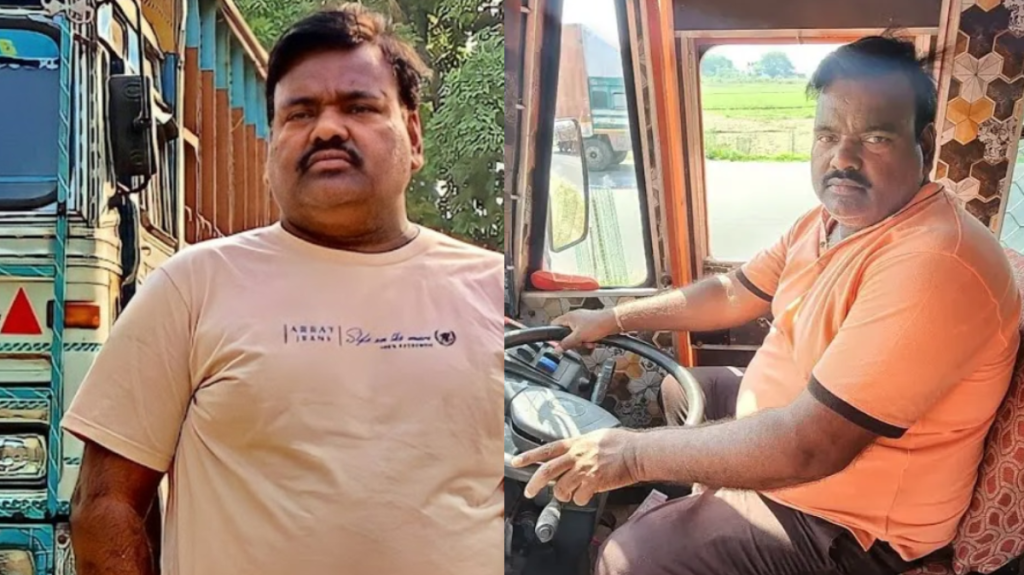
As our conversation ends, Balbir steps outside, checks his truck’s tires, wipes his hands on a cloth, and poses for a quick photo. The sun catches the polished chrome as if to underline his journey.
His story may look exceptional, but underneath is a simple formula: consistency, discipline, and the patience to let time do its work.
We ask him what comes next.
Balbir laughs.
Balbir: Next month, same routine. Drive, save, repeat.